Presented to you by Jireh Electric, your dependable backup power solution partner, welcome to the definitive information on generators. One cannot emphasize the need for a stable backup power supply in the fast-paced world we live in today. Energy is essential to all of our daily activities. Here at Jireh Electric, we are aware of how vital generators are to maintaining the uninterrupted operation of residences, commercial buildings, and vital services—even in the event of unplanned blackouts.
In times of grid failure, generators act as unsung heroes, ready to deliver a vital source of electricity. The presence of a backup power solution can be crucial in preserving comfort, safety, and productivity. It is a must during unexpected events such as sudden storms, grid overloads, or planned maintenance. Jireh Electric, a favored generator supplier, is dedicated to guiding you through the confusing world of backup power choices. We’ll help you identify the ideal alternative to satisfy your requirements.
In-depth Generator Guide
In-depth discussions of generator kinds, internal operations, and professional advice on choosing the best generator for your needs will all be covered in this extensive reference. Every stage of the process is handled by us, from installation and maintenance advice to safety measures and environmental concerns.
We offer peace of mind at Jireh Electric in addition to generator sales. Our team comprises skilled professionals who are available to assist you. We’ll assist with anything from first consultation to continuous maintenance and more. We have the experience and tools to support you in making wise decisions. Thus, ensuring a continuous power supply when it matters most. Whether you’re a business owner trying to preserve operations or a homeowner trying to shield your family from unplanned power outages.
Join us as we learn everything there is to know about generators. Learn how they may offer dependable backup power for your residence or place of business. As you power your world now and in the future, let Jireh Electric be your reliable partner. Contact Jireh Electric right now to find out more. Begin the process of obtaining a generator solution that will secure your peace of mind.
Understanding How Generators Work
Innovative engineering works of art, generators convert mechanical energy into electrical power by applying the basic laws of electromagnetic. The engine is the central component of any generator, providing power to the whole apparatus. The engine’s main job is to burn the fuel, which stores chemical energy, to produce mechanical energy through combustion. It can run on gasoline, diesel, propane, or natural gas. The generator’s rotating shaft, which is the main component in its operation, receives this mechanical energy after that.
The alternator—also referred to as the generator head—spins at a fast speed when the shaft rolls. The stator, a stationary core, and the rotor, a revolving magnet, make up the alternator. This is made up of several wire coils wound around them. A process known as electromagnetic induction occurs when the rotor inside the stator spins. Thus, producing a magnetic field that causes the wire coils to conduct electricity. Numerous appliances and electrical gadgets can be powered by this generator’s output. This output is an electric current with alternating voltage and frequency. Generators, which produce energy by essentially harnessing the power of motion, offer a dependable source of power. This is key in situations where the conventional grid’s electricity supply is interrupted.
Selecting the Appropriate Generator to Meet Your Needs
To make sure it satisfies your unique needs, choosing the ideal generator requires giving serious thought to a number of criteria. Finding out which vital appliances and systems you want to keep powered during a power outage is a critical step. It is key in determining your power needs. You can determine the overall power load your generator needs to supply by making an exhaustive inventory of these things and their wattage requirements. Through this computation, you may be sure that the generator you select will be able to meet your needs. Thus, fulfilling your needs for electricity without stressing the system to the breaking point.
Picking a generator also requires taking into account the kind of fuel, in addition to power capacity. Electricity, diesel, propane, and natural gas are among the fuels that can be used with different generators. Each has pros and cons of its own. Short-term use is acceptable for gasoline generators because they are easily refueled and are commonly accessible. Long-term backup power solutions are best served by diesel generators because of their reputation for dependability and fuel efficiency. The constant fuel supply from existing utility connections makes propane and natural gas generators more convenient than other cleaner-burning options. Making the optimal choice for your needs and tastes requires knowledge of the benefits and drawbacks of each fuel type as well as consideration of variables like availability, storage demands, and emissions.
Setting Up and Maintenance
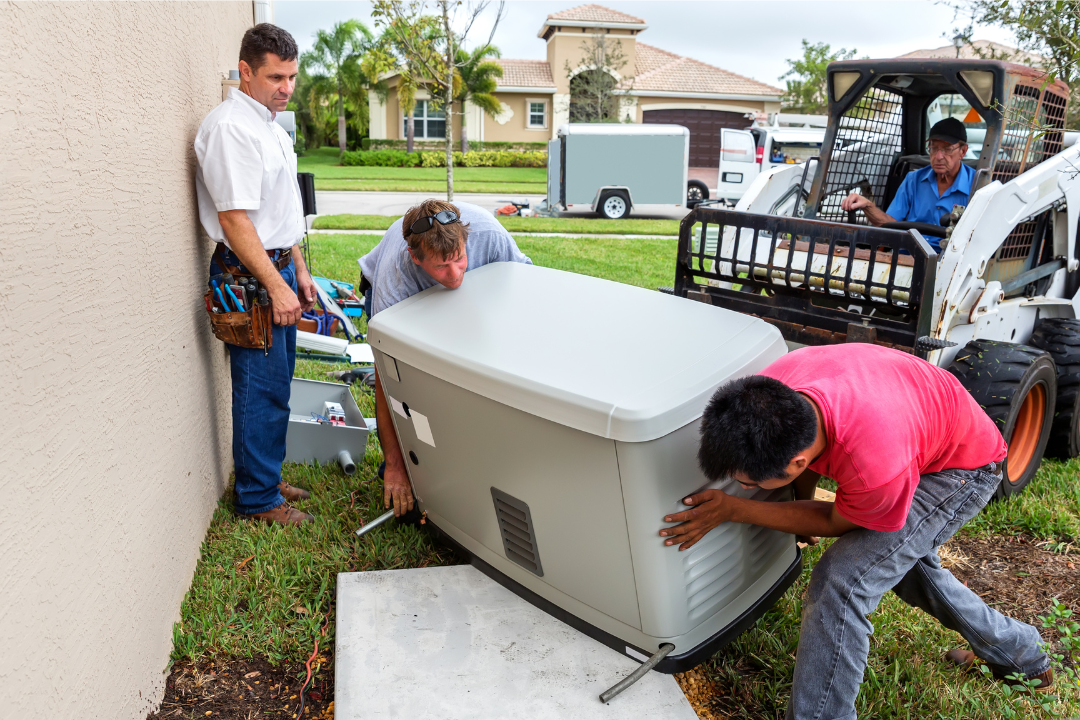
To guarantee your generator’s dependable operation and extended lifespan, proper installation and routine maintenance are essential. It is imperative that you hire qualified experts. Experts with the necessary knowledge and training to install your generator securely and correctly. Along with making sure the generator is placed in the best possible location and complies with all applicable safety and building rules, they will evaluate the electrical system on your property. The danger of electrical risks is reduced with professional installation. It also guarantees a smooth integration with the electrical infrastructure of your house or place of business.
For your generator to remain in top shape and be prepared to start when needed, routine maintenance is required after installation. One way to do this is to arrange for regular examinations and maintenance by skilled specialists. Specialists that look for any indications of wear, damage, or malfunction. Checking and tightening electrical connections, testing the battery, changing the oil and filters is key. Furthermore, confirming that essential parts like the alternator, voltage regulator, and engine are operating as intended. These are examples of routine maintenance procedures.
Maintaining a clean and debris-free generator is also crucial. It also needs to have enough ventilation surrounding it and be stored correctly to avoid contaminating it. Your generator’s lifespan and dependability can be extended. Thus, guaranteeing that it will continue to be a trustworthy source of backup power for many years to come. You do this by following a proactive maintenance schedule and taking quick action when necessary.
Advantages of Owning a Generator
There are many more advantages to owning a generator than just having backup power during blackouts. Having a reliable source of power is one of the biggest benefits, particularly in times of emergency or natural disaster. Installation of a generator ensures the comfort, safety, and well-being of building inhabitants by allowing key systems like lighting, heating, and cooling to function without interruption. Resilient populations, like the elderly, those with medical issues, and enterprises that depend on ongoing operations, especially need this unbroken power supply.
In addition, generators offer comfort by reducing the anxiety and trouble that frequently accompany power disruptions. Homeowners and business owners can relax knowing that their generators will automatically turn on and keep vital systems operating properly, saving them from having to hustle to deal with the unexpected loss of energy. Generators provide long-term stability and dependability, enabling residents to continue with their regular activities and routines without interruption, so the peace of mind lasts long after the power goes out.
With time, owning a generator can result in significant cost savings in addition to the immediate benefits of having backup power. Generators provide an excellent return on investment by averting losses from rotten food, property damage, company disruptions, and decreased productivity. Continued operation during outages can minimize revenue losses and maintain customer satisfaction, which is especially advantageous for businesses. In addition, generators are becoming more and more valued and marketable for both residential and commercial properties since they are recognized as necessary components that support readiness and resilience in the face of unanticipated shocks. Ultimately, owning a generator offers advantages that go well beyond mere contingencies; for both homes and companies, it offers dependability, economic solutions, and peace of mind.
Safety Precautions
If you want to avoid mishaps, injuries, and possible risks, you must make sure that a generator is operated safely. Appropriate generator location is one of the most important safety measures. The accumulation of lethal carbon monoxide gas should never occur when generators are kept outside in well-ventilated spaces. Because they can let carbon monoxide seep inside, generators should not be placed next to windows, doors, vents, or other interior openings. To lower the possibility of fire dangers, generators should also be placed on a flat, stable surface apart from combustible objects and ignition sources.
An additional crucial safety precaution involves connecting appliances to the generator via extension cords and outdoor-rated electrical connections. If you connect too many appliances or gadgets at once, you risk overloading the generator, which can cause damage and overheating. It is essential to adhere to the manufacturer’s recommendations and instructions concerning the generator’s maximum load capacity in order to avoid overload scenarios. Check for wear, damage, or malfunctions on a regular basis in the generator and its parts, and take quick action to fix any problems you find. This involves listening out for leaks, strange noises or vibrations during operation, and loose or damaged electrical connections. You may reduce the possibility of mishaps and guarantee the safe and dependable functioning of your generator during critical moments by exercising vigilance and proactively addressing safety issues.
The Effects Generators have on the Environment
Regarding the environmental effects of conventional fossil fuel-powered generators, there has been an increase in worry in recent years. Air pollution and negative health impacts are caused by pollutants released into the environment, primarily by gasoline and diesel generators. These pollutants include carbon monoxide, nitrogen oxides, and particulate matter. Eco-friendly generator solutions that decrease environmental impact and emphasize sustainability are becoming more popular in response to these worries.=
Because they emit fewer emissions than their gasoline or diesel counterparts, using generators powered by natural gas or propane is one such option. When it comes to generating backup power, propane is a more environmentally friendly fuel option because it burns cleanly and emits fewer pollutants and greenhouse gases. With reduced emissions of nitrogen oxides and particulate matter, natural gas turbines also present a cleaner option to conventional fossil fuels. Both businesses and homeowners can reduce their carbon footprint and help to preserve the environment by choosing to use natural gas or propane generators. Modern generators now perform even better environmentally, opening the door to a more sustainable and greener future. Other developments in generator technology include increased engine efficiency and emission controls.
Technology Advances for Generators in the Future
As innovations push for improvements in usefulness, sustainability, and efficiency, the future of generator technology is full of exciting possibilities. A popular trend is the combination of renewable energy sources like wind and solar electricity with generators. Clean, renewable energy is captured via hybrid systems that integrate generators with solar or wind turbines to provide backup power as needed. Environmentally concerned consumers find these hybrid systems appealing since they minimize energy consumption and increase resilience while reducing dependency on fossil fuels.
The administration and operation of backup power systems are also being completely transformed by smart generator technology. Advanced control and monitoring features of smart generators enable automated load management, predictive maintenance, and remote monitoring. Intelligent generators have the ability to enhance efficiency, reduce downtime, and maximize performance by utilizing real-time data and analytics. It is possible to seamlessly coordinate various smart appliances and gadgets with home automation systems, which improves control and convenience for both businesses and homes. Future backup power solutions will be more intelligent, efficient, and user-responsive as a result of smart generator technology, which will become more and more integral to the Internet of Things (IoT).
Conclusion
Ultimately, in the event of an emergency or a power outage, generators serve as essential protectors of dependability and durability. It is indisputable that owning a generator has advantages, ranging from a continuous power source to cost-effective solutions and peace of mind. Keep in mind the value of careful evaluation, correct installation, and preventive maintenance as you set out to choose the ideal generator for your requirements.
Our mission at Jireh Electric is to be your dependable guide through the world of generators. We’re here to assist you in finding the best backup power solution for your needs, using our knowledge, experience, and commitment to customer satisfaction. Our top priorities are your safety, comfort, and peace of mind—from the initial consultation to continuing support and maintenance.
Keep yourself informed during power disruptions. Jireh Electric is the best option for dependable generators; find out why by getting in touch with us today. Call us at 210-771-0028 and let us power your globe now and in the future.
FAQs
1. How long is the maximum runtime for a generator?
The manufacturer’s recommendations for maintenance and refueling intervals must be followed even though generators are meant to run for extended periods of time. Provided they are properly maintained and fueled, standby generators can typically run nonstop for days or even weeks.
2. Could I do my own generator installation?
Although homeowners can build portable generators, backup generators require professional installation to guarantee correct electrical connections and adherence to safety rules.
3. For my home, what size generator is necessary?
Based on your power needs, the generator’s size is determined. Depending on your needs and other considerations, such how many appliances and devices you want to power, a professional electrician can help you choose the right size.
4. Do generators produce noise?
Larger models with higher power outputs of portable generators can be particularly noisy. Because of their sophisticated technology, inverter generators are often quieter, which makes them ideal for usage in outdoor or residential situations where noise pollution may be an issue.
5. Can you utilize a generator inside?
The danger of carbon monoxide poisoning makes it impossible to utilize generators inside or in enclosed areas. Place generators outside, away from windows, doors, and vents, in well-ventilated locations at all times.