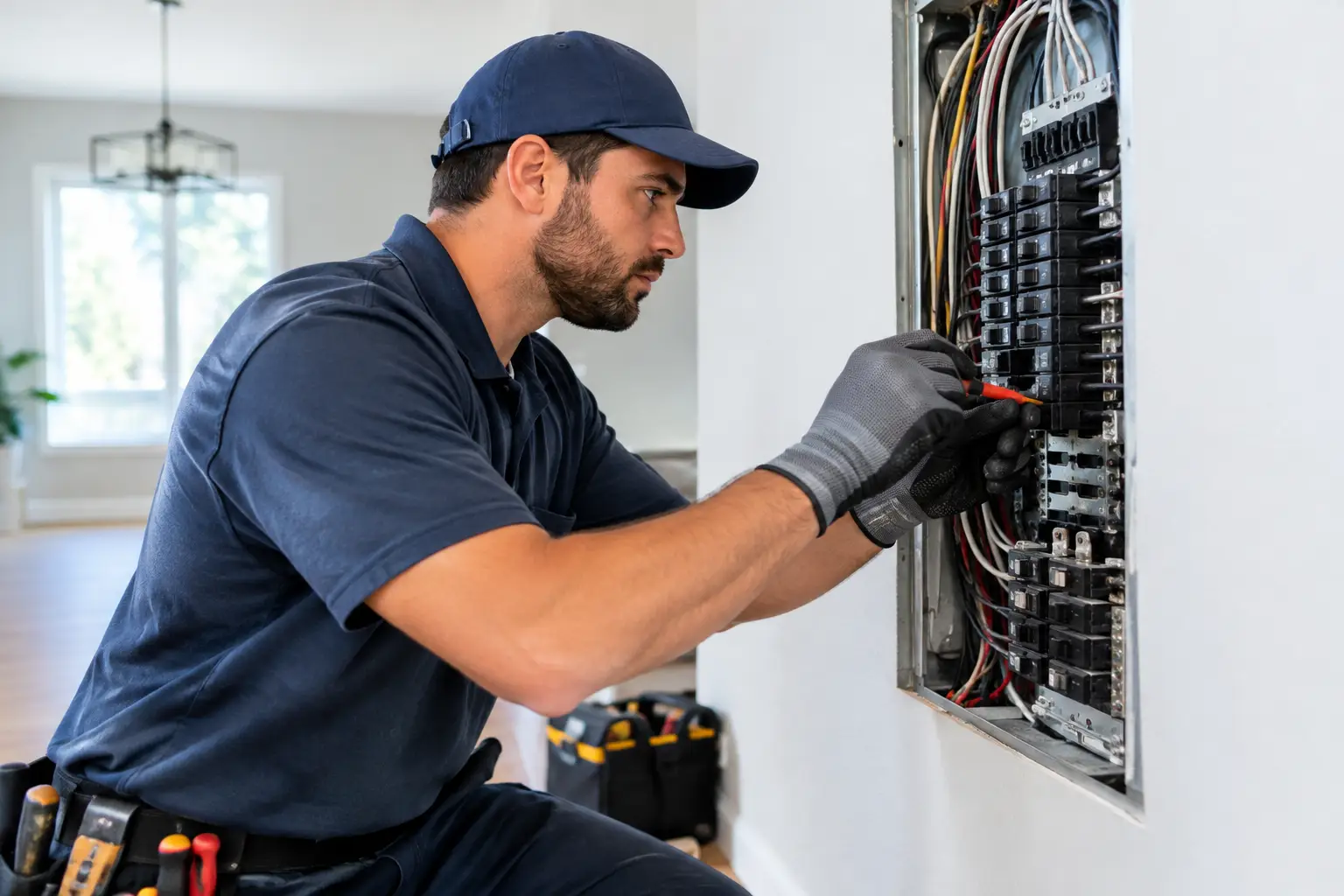
A breaker that trips every time the microwave and coffee maker run together is more than an inconvenience. In an older home, it can be a sign that the circuit is overloaded, the wiring has a fault, or the electrical panel needs attention. An electrician San Antonio homeowners trust can identify the source before a small disruption becomes a safety issue.
Electrical problems are not always dramatic. Sometimes they show up as a warm outlet, lights that flicker when the air conditioner starts, or a ceiling fan that hums but will not turn. Knowing when to stop troubleshooting and call a qualified professional protects your property, your equipment, and the people inside your home or business.
When an Electrician in San Antonio Should Be Called
Some electrical concerns deserve immediate attention, especially when there is any chance of overheating, arcing, or water exposure. If you smell burning plastic, hear buzzing at a panel or outlet, see sparks, or notice smoke, turn off power to the affected area if it is safe to do so. Then contact an emergency electrician. Do not keep resetting the breaker to see whether the issue returns.
A breaker that repeatedly trips also needs a closer look. A single trip after connecting too many temporary appliances may be a simple overload. Repeated trips with normal use can point to damaged wiring, a failing appliance, a short circuit, or a breaker that is no longer performing as it should. The breaker is doing its job by shutting down power. The right next step is finding out why it had to.
Water changes the situation quickly. Outlets near sinks, garages, patios, pools, hot tubs, and exterior walls need proper protection from moisture. If an outlet gets wet, a GFCI will not reset, or you notice corrosion around electrical equipment, avoid using that circuit until it has been inspected. South Texas weather can bring heavy rain, and outdoor electrical systems need to be ready for it.
Warning Signs That Should Not Wait
Electrical systems usually give clues before a larger failure. Pay attention to changes that have no clear explanation, particularly in a home where the wiring or panel has not been evaluated in years.
Flickering lights are a common example. One bulb that flickers may be loose or nearing the end of its life. But lights dimming throughout a room when a large appliance starts can indicate a circuit or service issue. If multiple areas of the home are affected, the concern may extend beyond a single fixture.
Warm switch plates, discolored outlets, loose receptacles, and buzzing noises also deserve prompt service. Electricity should not make an outlet cover warm during normal use, and a plug should fit securely. Loose connections can create resistance and heat, which can damage wiring over time.
Older two-slot outlets are another reason to schedule an inspection. They may work for a lamp, but they do not provide the grounding expected by many modern devices and appliances. Grounded outlets, GFCI protection in appropriate locations, and properly sized circuits help bring older spaces closer to current safety expectations without treating every home the same way.
Panel Capacity Matters More Than Many Homeowners Realize
The electrical panel is the control center for your home. It distributes power to each circuit and uses breakers to help prevent dangerous overloads. When a household adds new electrical demands without considering the panel, problems can follow.
A kitchen remodel may add dedicated circuits for appliances. A garage workshop may need power for tools. A new pool pump, hot tub, EV charger, or HVAC equipment can place a substantial demand on an electrical system that was designed for a very different household decades ago. Adding one device is not automatically a reason for a panel upgrade, but the full load calculation and the condition of the existing equipment matter.
Signs that a panel evaluation may be appropriate include frequent breaker trips, limited room for new circuits, rust or damage in the panel, lights dimming under load, and plans for a major renovation or electrification project. A professional can inspect the service equipment, confirm grounding and bonding, evaluate available capacity, and explain the options in plain language.
A panel upgrade is a significant project, so it should be based on the actual needs of the property, not a guess. In some cases, a dedicated circuit solves the problem. In others, upgrading aging equipment improves safety and creates room for future needs.
Electrical Work During Remodeling and Custom Builds
Electrical planning is easiest before walls are closed. Whether you are updating one room or building a custom home, early decisions affect convenience for years to come.
Think beyond the minimum number of outlets. Consider where phones charge, where holiday lights connect, how furniture will be arranged, and where televisions, internet equipment, security cameras, and smart-home controls will live. Kitchen islands, home offices, covered patios, closets, and garages often benefit from electrical planning that is specific to how the space will actually be used.
Lighting deserves the same attention. Layered lighting can make a room more useful and comfortable: general lighting for everyday visibility, task lighting where work happens, and accent lighting where you want to highlight a feature. Dimmers, properly rated ceiling fans, and motion-sensing exterior lights can add control without making a system difficult to use.
For commercial spaces, planning should include operational needs as well as safety. Retail displays, office equipment, data wiring, security systems, signage, and equipment loads can all influence circuit design. Coordinating electrical work with the construction schedule helps reduce avoidable changes later.
EV Chargers, Generators, and Connected-Home Upgrades
Modern electrical upgrades need more than a nearby outlet. An EV charger, for example, should be evaluated based on the vehicle, charging equipment, available electrical capacity, parking location, and the length and route of the wiring. A dedicated circuit and correctly installed equipment help ensure dependable charging at home.
Generator projects also require careful planning. The goal is not simply to create backup power. It is to determine which circuits should remain active during an outage, how the system will safely isolate from utility power, and what level of backup best fits the property. A properly installed transfer solution is essential for protecting people, utility workers, and equipment.
Smart-home features can be equally practical when chosen thoughtfully. Automated lighting, smart switches, security devices, audio and video wiring, and structured data connections can simplify daily routines. The best setup depends on the building, the equipment already in place, and whether the system will remain easy for everyone in the household or workplace to operate.
What to Expect From a Professional Electrical Visit
A good service visit starts with listening. Describe what happened, when it occurs, which devices were running, and whether the issue affects one room or several. Photos of a tripped breaker or a damaged outlet can be helpful, but never remove a panel cover or touch exposed wiring to investigate.
During an evaluation, the electrician should inspect the affected equipment, test where needed, and explain the likely cause in terms you can understand. Electrical issues are not always visible from the outside, and a proper diagnosis may involve checking the circuit, connections, breaker, load, and related equipment.
You should also expect respect for your space. Professional electrical service means arriving prepared, protecting the work area, communicating clearly, and leaving the area orderly once the work is complete. If the repair reveals a larger concern, the explanation should make clear what needs attention now and what can be planned for later.
Choose Safety Before Convenience
It is tempting to live with a flickering light, a breaker that trips once in a while, or an outlet that only works when the cord sits just right. But electrical symptoms rarely improve on their own. They either remain an inconvenience or develop into a more serious concern.
For homes and businesses across San Antonio and South Texas, Jireh Electric brings Master Electrician experience to repairs, emergency calls, upgrades, and new installations. When something about your electrical system does not feel right, treat that instinct as useful information and have it checked by a qualified professional.