Introducing Jireh Electric, your reliable resource for all things electrical. If you’re the happy owner of a Tesla or an electric vehicle (EV), you know how crucial it is to have a dependable home charging system. There is a greater need than ever for effective and secure EV charging infrastructure. This is especially true as the globe moves toward more environmentally friendly modes of mobility.
We at Jireh Electric understand the importance of installing EV/Tesla chargers correctly. Thanks to the hard work and dedication of our team of professional electricians, your charging station will be built with accuracy and knowledge. We can help you choose the best for your needs by guiding you through the process, whether you’re thinking of doing it yourself or hiring a pro.
You may be confident that Jireh Electric has qualified personnel handling your EV charging needs. Our dedication to providing excellent workmanship and ensuring client satisfaction distinguishes us as the go-to option for installing Tesla and EV chargers. So why hold off? Invest in Jireh Electric today to start along the path to a smooth charging experience. Contact us to arrange a consultation and allow us to assist you in properly charging your electric car. Together, we’ll investigate each choice and help you reach a decision.
Comprehending Tesla/EV Charging Systems
Tesla and electric vehicle (EV) chargers are specialized tools that make charging electric vehicles easier, safer, and more efficient. These chargers are more than just regular electrical outlets; they use cutting-edge technology to provide the power your car needs to fully charge its battery. EV chargers are available in numerous configurations, such as DC fast chargers, Level 1, and Level 2, with varying charging speeds and vehicle model compatibility. Since they have the slowest charging rate and can usually be used with a conventional 120-volt domestic outlet, level 1 chargers are appropriate for overnight charging at home.
On the other hand, Level 2 chargers are frequently installed in homes and public charging stations since they use a 240-volt outlet, drastically reducing charging time. With the ability to provide high-power DC current directly to the vehicle’s battery, DC fast chargers—the fastest of the three—allow for quick charging in minutes. To choose the best charging option that satisfies your unique needs and guarantees peak performance for your electric car, it is essential to comprehend the subtleties of these chargers.
The Significance of Correct Installation
One cannot stress how important it is to install EV/Tesla chargers correctly. A properly constructed charging station guarantees efficiency, dependability, and safety and merely gives you a way to charge your electric car. Installing the charger correctly entails mounting it firmly and ensuring that the electrical cabling is done correctly and that local building standards and regulations are followed. A well-installed car also reduces the possibility of electrical hazards like fires, electric shocks, and battery damage. A professionally fitted charging station can also prolong the life of your electric car by maximizing charging efficiency and minimizing battery deterioration. In addition to protecting your investment in an electric car, prioritizing the correct installation will help create a more sustainable and safe transportation network.
Pros and Cons of DIY Installation
Advantages:
1. Cost Savings: One of the main benefits of doing your own installation is that you may save a lot of money. For homes, the total cost of installing an EV or Tesla charger can be decreased by eliminating the labor expenditures related to employing professional installers.
2. Control and Flexibility: DIY installation allows homeowners to tailor the procedure to their schedule and preferences. Do-it-yourselfers completely control the project, from choosing the charging station’s location to designing the wiring architecture.
3. Experience Gained: For homeowners eager to learn about the nuances of electrical work, a do-it-yourself installation is a priceless educational opportunity. It enables people to obtain practical experience and learn new abilities they might need for later initiatives.
4. Sense of Accomplishment: Knowing that they could take on difficult work alone can give homeowners a sense of satisfaction and accomplishment after a DIY installation is successfully completed. This accomplishment can provide one with a sense of empowerment and reward.
5. Flexibility: Installing DIY allows homeowners to modify the procedure to fit their personal requirements or inclinations. Homeowners can customize the installation to fulfill their needs, be it by adding new functionalities or modifying the arrangement.
Disadvantages:
1. Technical Complexity: Installing an electric vehicle (EV) or Tesla charger necessitates a thorough comprehension of electrical systems and wiring concepts. Lack of technical expertise may make it difficult for do-it-yourselfers to handle the installation’s intricacies, which raises the possibility of mistakes or safety risks.
2. Safety Risks: Improper installation of an EV charger can result in serious safety risks, such as fire hazards, electric shock, and property or vehicle damage. DIYers who lack the necessary knowledge and skills run the risk of unintentionally jeopardizing the security of their charging system.
3. Voided Warranties: Many manufacturers offer warranties for EV chargers, but if a qualified professional does not install the charger, the warranty may be useless. Homeowners may be liable for any future repairs or replacements if they choose to do DIY installation, which could compromise warranty coverage.
4. Legal Compliance: Do-it-yourself installations may violate regional building codes and laws, resulting in problems with compliance and possibly legal ramifications. If regulatory rules are not followed, there may be fines, penalties, or trouble selling the property in the future.
5. Time and Labor: Doing an installation on your own can take a lot of time and effort, especially for those with little resources or skills. Homeowners may experience annoyance and irritation due to the extended installation period resulting from the learning curve associated with do-it-yourself projects.
Expert Installation: Advantages and Drawbacks
Advantages:
1. Professional Installation: With years of experience and training, professional installers can guarantee that your Tesla charger or EV is installed correctly the first time. They can offer helpful advice regarding ideal positioning, choosing a charging station, and any other needs for your particular configuration.
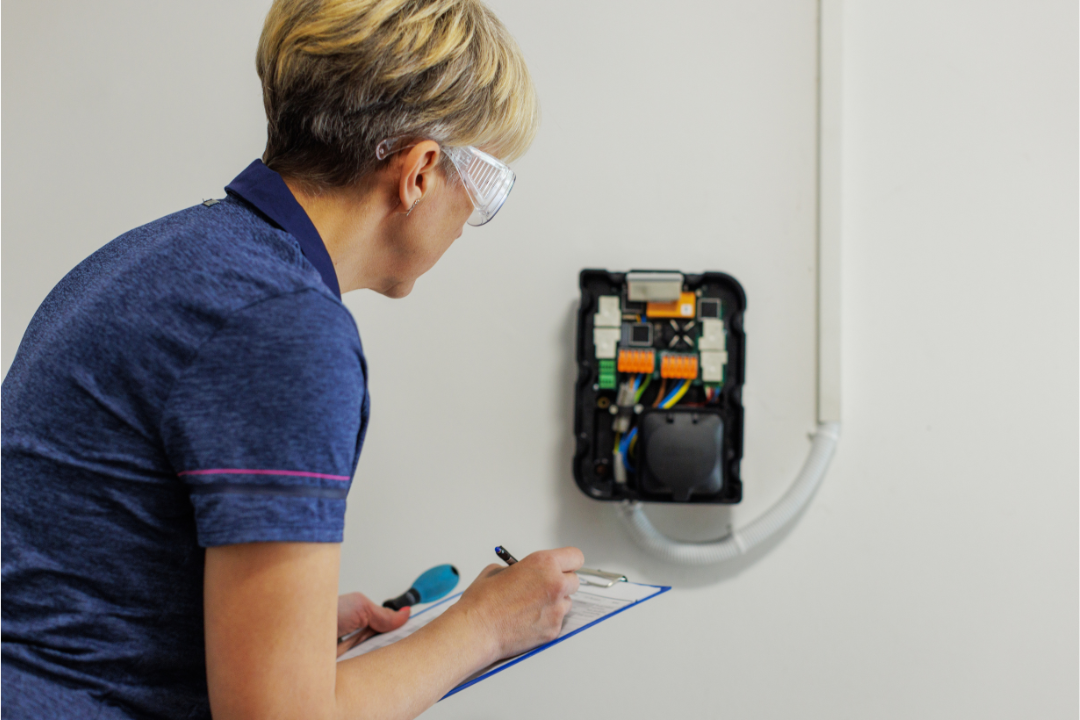
2. Extensive Evaluation: To guarantee compatibility and safety, qualified installers carry out an extensive evaluation of your electrical system. They can locate any obstacles or problems that could interfere with the installation procedure, enabling prompt resolution and peace of mind.
3. Code Compliance: Trained installers know the rules and ordinances governing local construction, so you can be sure that your charging station installation complies with standards. In addition to guaranteeing safety, this compliance shields you from future legal ramifications.
4. Reliability and Efficiency: If your charging station is professionally installed, it will function dependably and efficiently for many years to come. Every facet of the installation is carefully managed to guarantee peak performance, from secure mounting to appropriate wiring connections.
5. Future-Proofing: Qualified installers may help you prepare for future technological breakthroughs or updates by suggesting scalable solutions for your charging system. With the continued advancement of electric vehicle technology, this foresight helps guarantee that your charging station will still be useful and functioning.
Disadvantages:
1. Greater Initial Cost: Compared to a do-it-yourself project, hiring a professional installer has a greater upfront cost, even if it provides several advantages. This cost aspect could discourage some people who are trying to cut costs.
2. Constraints on Scheduling: Working with expert installers can be difficult sometimes, particularly during busy seasons. For those with strict deadlines, this can cause delays or annoyance.
3. Restricted Flexibility: Choosing a professional installer implies letting go of some control because you depend on their experience. This lack of flexibility could be a disadvantage for those who want a more hands-on approach or have certain customizing preferences.
4. Dependency on Outside Services: Expert installation necessitates using outside services, which aren’t always easily accessible or available in some places. This reliance may cause the installation procedure to become more complicated and take longer than expected.
5. Possibility of Miscommunication: A miscommunication between the homeowner and the experienced installer could result in misconceptions or unhappiness with the finished product. Clear communication and expectation alignment are essential to reduce this risk and guarantee a positive installation experience.
Major Considerations
There are several considerations to consider when choosing between DIY and professional installation:
1. Comparing Prices
2. Safety Requirements
3. Technical Proficiency Necessary
4. Convenience and Timing
5. Guarantees and Warranties
6. Effects on the Environment
Comparing Prices
Though doing the installation yourself may appear cheaper at first, consider the costs that could arise from having errors corrected or safety concerns addressed. Even while it may cost more upfront, professional installation could save you money over time by preventing expensive repairs.
Cautions Regarding Safety
Safety should always come first when working with electrical installations. Because they are educated to follow safety procedures, professional installers reduce the possibility of mishaps or property damage.
Technical Knowledge Needed
Installing an EV or Tesla charger requires a high level of technical skill to ensure safety and adherence to electrical regulations. Every stage of the installation process involves accuracy and knowledge, from comprehending electrical circuits to correctly grounding the charging station. At Jireh Electric, our group of knowledgeable electricians has the know-how to complete installations perfectly. With years of expertise in the area, our personnel know the nuances of electric vehicle charging systems and maintain a current understanding of industry norms and laws. You can trust Jireh Electric’s quality and dependability of service when you entrust us with your EV charger installation. Our dedication to quality ensures that your charging station will be fitted correctly the first time, giving you peace of mind and ensuring your electric vehicle performs at its best.
Time and Comfort
Installation of an electric vehicle (EV) or Tesla charger can be labor-intensive and time-consuming, especially for those who choose to do it themselves. Do-it-yourselfers need to put in time to learn installation techniques, acquire supplies, and handle the intricate world of electrical wiring. Unexpected difficulties or issues that arise during the installation process could also further extend the time. By comparison, using Jireh Electric for expert installation results in unmatched efficiency and ease. You can save time and effort by having our skilled electricians handle every installation part, from planning and preparation to finalization. Selecting Jireh Electric will allow you to have the ease of a streamlined installation procedure without compromising on safety or quality. You can concentrate on more essential things while we take care of the rest, knowing that your charging station will be up and running quickly thanks to our dependable and timely service.
Warranty and Guarantees
Many manufacturers offer warranties for charging stations with professional installation for added security and comfort. If DIY installations are performed incorrectly, these guarantees may be voided.
Environmental Impact
It’s critical to evaluate the selected method’s environmental impact while considering installing EV or Tesla chargers. Due to probable errors or incorrect material disposal, do-it-yourself installations may raise carbon emissions and cause environmental harm. In contrast, sustainable solutions and eco-friendly methods are prioritized throughout Jireh Electric’s expert installation. Our group is dedicated to reducing the negative effects on the environment through energy-efficient technology, ethical waste management, and, when feasible, the promotion of renewable energy sources. Owning an electric vehicle has many advantages, and you can help create a cleaner, greener future by hiring Jireh Electric to install your charging station.
Conclusion
In conclusion, considerations like cost, convenience, and safety ultimately determine whether an EV or Tesla charger is installed professionally or do-it-yourself. Despite the possible cost savings associated with DIY, professional installation is a sensible investment due to the technical complexity and safety hazards involved.
We at Jireh Electric recognize the value of an appropriately situated charging station for your electric car. Our team of skilled electricians ensures a smooth installation procedure that prioritizes safety, effectiveness, and regulatory compliance.
Selecting Jireh Electric for your Tesla charger installation entails selecting high-quality service and peace of mind. We are the best option for all of your electrical needs because of our dedication to quality and client happiness.
Therefore, why accept anything less than the best? Contact Jireh Electric at 210-771-0028 to arrange your installation and see the difference for yourself. Allow us to assist you in safely and dependably charging your electric car.
Frequently Asked Questions
1. Is DIY installation advised for novices?
Because of the technical difficulties involved, DIY installation is not recommended for novices. To ensure compliance and safety, it is best to obtain professional advice.
2. How long does it usually take to install something professionally?
Professional installation times can vary based on some variables, including the installer’s availability and the installation’s complexity. It can take a couple of hours, on average to finish.
3. Can I set up several charging stations in my house?
Installing many charging stations in a home is feasible, but doing so calls for careful design and consideration of infrastructure and electrical capacity.
4. Are installation instructions included with EV chargers?
Indeed, the majority of EV chargers have comprehensive installation guidelines. But you must adhere to these directions precisely or get expert assistance if you’re unsure.
5. Are there any government grants available for installing EV chargers?
Some governments provide rebates or incentives for the installation of EV chargers to encourage the use of electric cars and support sustainable transportation programs. Make sure to ask the local government about any programs that are offered.