
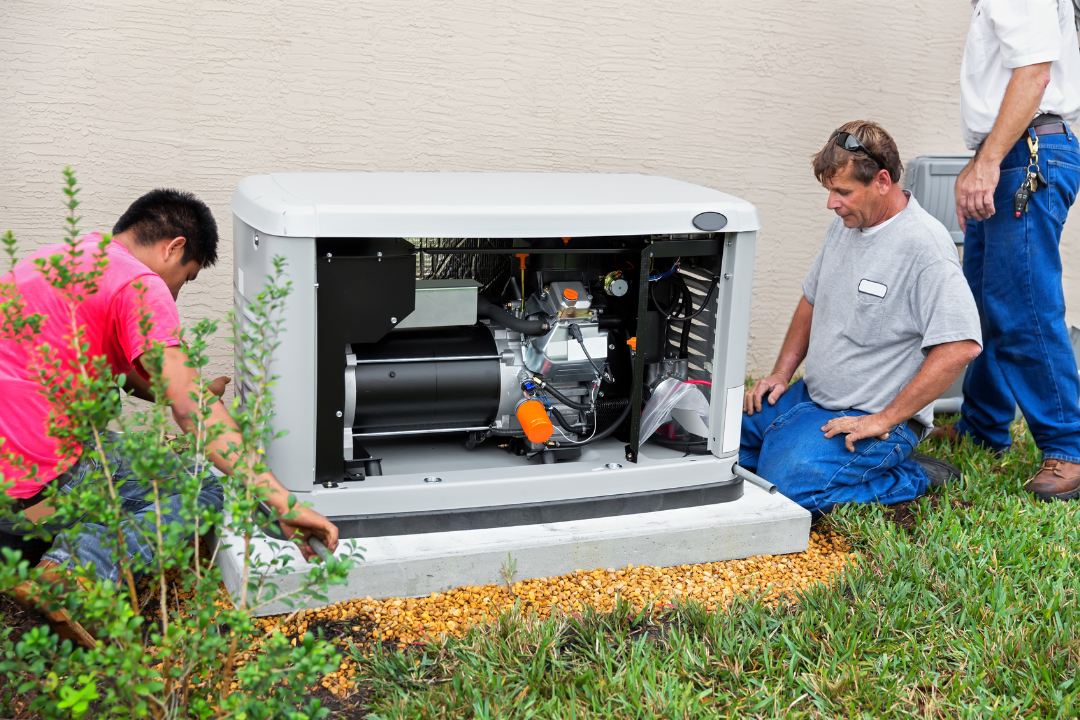
As spring fast approaches, so will the many storms we see on the East Coast. When the power goes out, it can be a real lifesaver to have a generator ready to go, helping to provide you with uninterrupted power. However, it is important to remember that having a generator ready to take over involves more than just being able to plug one in. Successful generator installation also requires proper planning, permits, and the assistance of an experienced, licensed electrician. Here are the steps to consider when setting up your home standby generator.
- Interview Electricians
A great first step is interviewing electricians and obtaining quotes to compare prices. However, it is important to remember that sometimes spending a little extra can help you hire an installer who knows exactly what he or she is doing. It is also important when interviewing an electrician that you determine whether or not they have extensive experience with home standby generator installation. You may also request references to speak with past customers of theirs.
- Obtain Permits
Do you need to acquire a permit? Well, it depends. To determine if you need one, speaking with someone at your local municipality is best. When you hire an installer, they will obtain the permit on your behalf. Remember that the paperwork will take a few days to go through.
- Select a Location
Before purchasing the generator, you must figure out a location for it where it will remain in compliance with all electrical codes and the manufacturer’s recommendations. You should install your generator in a safe location so that it poses no threat concerning carbon monoxide. A standby generator must usually be installed a minimum of two feet from the residence, with a minimum of three feet on its front and sides. You can figure all of this out by speaking with an electrician. This works out because most areas require an inspection to verify compliance. Having an electrician help with installation can also prove effective and cost-efficient. Installing your generator close to your gas meter will increase fuel efficiency, which may help bring down costs.
- Prepare the Surface
When preparing the surface for your generator, it is important to remember that small air-cooled standby generators usually have a composite base on their bottom so that a concrete pad underneath is not required. However, at least four bags of level pea gravel must first flatten the ground beneath the generator. Small air-cooled standby generators are equipped with a composite base on the bottom, so you are not required to pour a concrete pad.
- Receive the Delivery
While this may seem obvious, only some people think about the difficulty of bringing a thousand-pound generator off a truck’s back. That’s why it is imperative that you order liftgate service, which allows the driver to lower the generator to the ground safely. Before signing for the delivery, inspect the package for any damage that could have occurred during delivery.
- Installation of the Generator
After you have completed the above steps, you will be ready for installation. The job of installing the generator is often more complex than the basic knowledge that homeowners possess. This is why it can be extremely important to consult with an experienced electrician installing residential standby generators. If you require a standby generator and want to ensure its safe and effective installation, the professionals at Jireh Electric Electrician can help.