
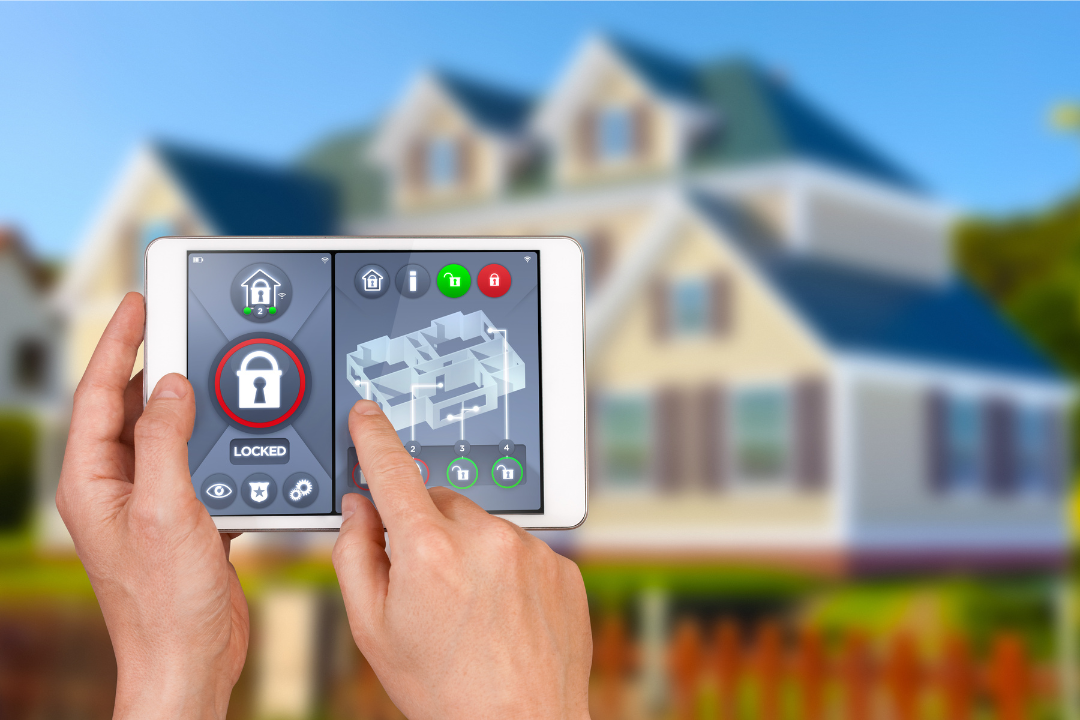
Thank you for visiting Jireh Electric’s comprehensive reference on smart home automation. The notion of smart home automation has become a ground-breaking answer for contemporary living in a world where technology is always changing. However, what exactly does it involve, and why is it growing in favor?
Automating and controlling different systems and appliances in a home by integrating cutting-edge technology is known as “smart house automation.” Thanks to smart home automation, homeowners can easily monitor and control their living areas from a distance. This includes lighting, heating, security, and entertainment.
Jireh Electric is cognizant of the significance of maintaining a leading edge in adopting cutting-edge home automation technologies. Our goal is to assist homeowners in converting their houses into intelligent homes that provide unparalleled comfort, convenience, and efficiency. We do this by utilizing our advanced technological knowledge and electrical system experience.
Come along as we explore the diverse advantages, essential elements, installation procedures, and emerging trends of smart home automation. This guide can help you fully utilize your home and harness the power of smart technology. Whether you’re a tech enthusiast or a homeowner wishing to update your living space. It offers priceless insights and helpful tips. Let’s explore how smart home automation can transform our way of life as we set off on our trip.
Smart House Automation Advantages
Imagine arriving home from a demanding workday to find that your home has anticipated your needs. It has turned on the lights, adjusted the thermostat to your desired temperature, and started playing your favorite music. Among the several advantages of smart home automation is this degree of efficiency and convenience.
Smart home technologies increase convenience and save a substantial amount of energy. Consider smart thermostats to maximize energy efficiency and lower utility costs, which gradually improve your preferred temperature settings.
Another powerful benefit of smart home automation is increased security. The security of their property can provide homeowners peace of mind thanks to features like motion-sensing cameras and remote monitoring.
Smart home automation also encourages accessibility by facilitating voice commands and smartphone apps for people with disabilities. Allowing anyone to control different areas of their living space with ease.
The Essential Elements of Automation for Smart Homes
The components form the foundation of every smart home system. Among these are intelligent lighting systems that modify color temperature and brightness according to your preferences and daily schedule. Intelligent thermostats that control interior temperature based on occupancy and outside meteorological conditions.
Smart security systems with motion sensors, video cameras, and remote monitoring capabilities offer complete protection from intruders and emergencies. Remotely controlling smart appliances, such as washing machines, ovens, and refrigerators, can also provide further convenience and energy efficiency.
Interfaces for Smart Home Automation
The smooth functioning and user experience in the field of Smart Home Automation greatly depend on integrating multiple devices and systems. The central hub that links and manages various smart gadgets in a home is where smart home integration platforms come into play in this situation. These days, Apple HomeKit, Google Assistant, and Amazon Alexa are some of the most popular.
Amazon Alexa:
The voice-activated virtual assistant known as Amazon Alexa was created by the company and uses artificial intelligence. The interface for communicating with Alexa is several Amazon Echo devices, such as smart speakers and screens. Voice commands may be used to do a wide range of things with Alexa. Including music playback, email access, reminder setup, and control over smart home appliances. When it comes to smart home experiences, homeowners who want something simple and easy to use often opt for Alexa. This is because of its many features and broad compatibility with a variety of smart devices.
Google Assistant:
Another popular platform for smart home integration that provides voice-activated help and device control is Google Assistant. This platform was created by Google. Google Assistant may be accessed from various devices. Devices such as Android smartphones, Google Home speakers, and smart displays, much like Alexa. In addition to sending messages, setting up appointments, and checking the weather, users of Google Assistant can also utilize natural language instructions to operate smart home appliances. Its extensive connection with the Google ecosystem, which makes it possible to use Google services like Gmail, Calendar, and Maps with ease, is what distinguishes Google Assistant. Further enhancing its usefulness as a smart home companion is Google Assistant’s capacity to comprehend context and customized preferences.
The Apple HomeKit:
Designed to provide smooth integration and control of compatible smart devices within the Apple ecosystem, Apple HomeKit is the company’s in-house smart home platform. HomeKit prioritizes using Apple’s Home app for centralized control of smart home devices. It uses this instead of Alexa and Google Assistant, which mostly rely on voice commands. Users can operate devices individually or collectively, record actions from their devices, and create personalized scenes using the Home app. With every device-to-device communication encrypted from beginning to end, HomeKit’s emphasis on security and privacy is a standout feature. With HomeKit’s interaction with Apple’s Siri speech assistant, users can design intricate routines and triggers depending on time, location, or device status. Thus, providing advanced automation capabilities.
The most well-known platforms for integrating smart home technologies are Amazon Alexa, Google Assistant, and Apple HomeKit. Each provides special features and functionalities to improve the smart home experience. There’s a platform to fit every homeowner’s wants and tastes. Whether they favor the deep integration of Google Assistant, the adaptability of Alexa, or the seamless ecosystem of HomeKit.
How to Install and Set Up
Homeowners must first take the installation and setup procedures into account when putting Smart House Automation into practice. The entire operation and performance of the smart home system might be greatly impacted by this important phase. Installation is done yourself (DIY) or with professional help, which are the two main possibilities.
Installing something yourself could seem like a good alternative for hands-on and tech-adept people. Easily assembled kits that come with all the parts and setup instructions needed to set up a smart home system are widely accessible in the market. However, to be compatible with the current house infrastructure, you must proceed with caution. Homeowners should become familiar with the instructions. Get help if necessary because certain DIY installs may require a basic understanding of electrical wiring or network configuration.
Homeowners may also hire reputed businesses like Jireh Electric to provide skilled installation services. Setup procedures can be completed quickly and smoothly thanks to the knowledge and experience of professional installers. Aside from making recommendations for appropriate smart home devices, they can evaluate the electrical and network infrastructure of the house. Thus, managing the entire installation and configuration process. Having a professional install your smart home system reduces the possibility of faults and compatibility problems. It gives you peace of mind that the system is configured correctly and ready for use. Effective planning and meticulous attention to detail are crucial for the effective implementation of Smart House Automation. Regardless of whether a professional or do-it-yourself installation method is selected.
Commonly Held Myths Regarding Automation of Smart Homes
A number of widespread myths about smart home automation may discourage homeowners from utilizing this revolutionary technology, even with all of its advantages. Among the most common myths is that smart home automation costs too much. Although buying and installing smart devices may have some upfront expenses, long-term savings and advantages frequently offset these. A vast array of alternatives to fit various budgets and tastes are available for smart home technology. Which has become more and more inexpensive in recent years. Furthermore, utility expenses may be significantly reduced over time. This is due to the potential energy savings from smart thermostats, lighting controls, and appliance automation. For these reasons, smart home automation is a financially sensible choice.
The idea of setup and operating complexity and difficulty is another common myth regarding smart home automation. A fear that it will be excessively difficult or time-consuming makes some homeowners feel uneasy about integrating and configuring several gadgets. Smart home solutions are now more intuitive and user-friendly than ever, thanks to technological breakthroughs. The installation and setting process is simple with many smart gadgets since they include user-friendly interfaces and simple setup instructions. Simpler user interfaces are also provided by centralized control and management of smart devices through smart home integration platforms like Apple HomeKit, Google Assistant, and Amazon Alexa. Homeowners may escape these myths and enjoy the ease, effectiveness, and tranquility that smart home automation provides by carefully organizing their projects and seeking advice from professionals like Jireh Electric.
Electronic Home Automation Trends of the Future
With technology constantly developing and innovating, the future of smart home automation is packed with fascinating possibilities. Adding artificial intelligence (AI) to smart home systems is a popular trend that allows devices to learn about and adjust to the tastes and habits of their users. In order to maximize energy efficiency, improve comfort, and anticipate user demands, AI-powered smart home appliances may evaluate data from sensors and human interactions. For instance, intelligent artificial intelligence (AI) algorithms can be included in smart thermostats to learn about the heating and cooling habits of the home and automatically modify temperature settings to optimize energy economy without compromising comfort. Parallel to this, AI-powered lighting systems can provide customized lighting settings suited to specific lifestyles by adjusting brightness and color temperature in response to human preferences and natural light levels.
Sustainability and environmental conservation are becoming increasingly important in smart home automation. The need to develop eco-friendly and energy-efficient smart home solutions is growing as concerns about climate change intensify. Manufacturers reduce the environmental impact for smart devices by using renewable energy sources, energy-efficient parts, and sustainable materials. Additionally, the design of smart home systems encourages sustainable behaviors like waste minimization, water management, and energy conservation. As an illustration, intelligent irrigation systems may optimize watering schedules, cut down on water waste, and encourage healthy plant development by monitoring soil moisture levels and weather forecasts. Building more ecologically responsible houses and communities is a major opportunity for smart house automation as sustainability gains more and more importance.
Issues and Things to Think About
Homeowners should be aware of the unique obstacles and considerations associated with smart house automation, despite its many advantages. The security of data and privacy concerns are two main ones. The risk of privacy and data breaches increases with the interconnectedness of smart home devices and their collection of more sensitive data on users’ habits and behaviors. To obtain illegal access to personal data or take control of smart devices, hackers may try to take advantage of weaknesses in smart home systems. Security measures, including encryption, safe authentication procedures, and frequent software updates, must be prioritized by homeowners to reduce these threats. A further way to protect yourself from such risks is to select reliable brands and gadgets with strong security features.
Reliability and upkeep provide another difficulty for automated smart homes. Smart home appliances can malfunction, experience software bugs, or experience hardware failures, just like any other technology. A malfunctioning smart thermostat or a connectivity issue with a security camera can impair the smooth operation of the entire smart home system. Because of this, homeowners who want to maintain the dependability and functionality of their smart home appliances should be equipped to handle technical problems and carry out routine maintenance. Updates to the firmware, battery replacements, and network connectivity monitoring may all fall under this category. It can also help to avoid disruptions and guarantee the continuous operation of critical smart home systems by having a backup plan in place for situations like power outages or system breakdowns. Homeowners can take advantage of the advantages of smart home automation while lowering potential dangers and disadvantages by proactively addressing these issues.
Instances of Automation in Smart Homes
Convenience, efficiency, and security are all improved in the home environment with the many useful applications of smart house automation. Intelligent temperature control within buildings with smart thermostats is one such example. Utilizing sensors, these systems change the heating and cooling settings based on occupancy and outside weather conditions. For instance, if the house is empty, a smart thermostat can automatically reduce the temperature to save energy and then increase it to a comfortable setting before the residents return. By doing this, you may live a more sustainable lifestyle and cut down on energy waste and utility costs.
The installation of motion-sensing lights is a fascinating example of smart home automation. The motion sensors in these lights sense movement within a predetermined range and turn on or off the light automatically. To enhance safety and security at night, motion-sensing lighting, for example, can turn on lights in halls and entryways when someone approaches. By limiting the amount of electricity used needlessly, these lights can also contribute to energy conservation by making sure that lights are only turned on when essential. These instances show how smart home automation may be easily incorporated into everyday life, providing useful answers to typical problems and raising the general level of comfort and convenience in the living space.
Cost Analysis and ROI
To comprehend the initial outlay of funds and possible long-term savings, homeowners thinking about implementing smart home automation should be sure to perform a comprehensive cost analysis. It’s crucial to consider the return on investment (ROI) over time, even though the initial cost of buying smart devices and installation services may appear high. Smart home technology offers a variety of cost-saving options, especially when it comes to utility and energy costs. Smart thermostats can reduce energy usage and minimize heating and cooling costs by optimizing heating and cooling schedules based on occupancy and outside conditions.
It is also important for homeowners to think about the value that smart home automation can add to their home. A fully functional smart home system can increase a house’s market value and appeal to additional purchasers. In a competitive real estate market, a home with features like automatic lighting, energy-efficient appliances, and smart security systems might stand out and fetch a larger premium. Investing in smart home automation is worthwhile because of the comfort and convenience that smart home technology offers, which may also enhance homeowners’ overall quality of life. Homes may make well-informed decisions about integrating smart house automation and optimizing their return on investment by carefully balancing the upfront costs against the possible savings and advantages.
Guides on Getting the Most Out of Smart House Automation
Homeowners can optimize a smart home by following a few guidelines, which will help them reap the benefits of smart house automation. Staying up-to-date with software updates and maintenance is crucial to guaranteeing that smart devices operate well. Manufacturers frequently release firmware upgrades to plug security holes, add new features, and boost performance. Homes may ensure their systems are safe and up-to-date with the newest technological developments by routinely updating smart home appliances and related software.
The overall user experience can be enhanced by personalizing automation routines and settings to fit unique tastes. The configurable features and settings on many smart home appliances make it possible to automate tasks to suit a homeowner’s preferences and lifestyle. You can maximize energy efficiency and improve convenience by scheduling things like lights, thermostats, and security systems. You may further optimize everyday routines and boost productivity by investigating more sophisticated automation tools like geofencing, which initiates tasks based on the user’s position. Homeowners may optimize the effectiveness and efficiency of their smart home systems by utilizing customization options and automation capabilities to create a unique living environment that suits their individual needs and tastes.
Measures for Privacy and Security
Safeguarding personal information and the physical well-being of homeowners depends critically on the security and privacy of smart house automation systems. Prioritizing platforms and devices with strong security features, such as encryption and safe authentication techniques, is one crucial step. To prevent sensitive information from being intercepted or tampered with, encryption ensures that data transferred between smart devices and the central hub is jumbled and unintelligible to unauthorized parties. Additionally, using strong authentication techniques like two-factor authentication or biometric recognition adds a second layer of security to prevent unauthorized access to smart home systems.
Another important part of keeping security in smart home automation is to update firmware and passwords on a regular basis. For every smart gadget, homeowners should create a strong, one-of-a-kind password and change it on a regular basis. This is because weak or default passwords are easy targets for hackers. To fix security flaws and enhance system performance, manufacturers also often provide firmware updates. The protection of smart home devices against new threats and exploits can be guaranteed by being attentive and quickly implementing these updates.
To further improve overall security and provide homeowners with greater peace of mind, network activity monitoring, firewall configuration, and intrusion detection system setup can assist in identifying and stopping unwanted access attempts. By putting these security and privacy safeguards in place, homeowners can safely use the convenience and advantages of automation for their smart homes while preserving their privacy and fortifying their property against criminal activity.
The Effects On The Environment
Through the promotion of sustainability and the reduction of carbon footprints, smart house automation provides efficiency and convenience and positively impacts the environment. The ability of smart appliances, lighting controls, thermostats, and other home automation systems to save energy is noteworthy. Smart home systems have the potential to drastically cut greenhouse gas emissions and electricity consumption by optimizing energy usage based on occupancy, preferences, and outside influences. Smart thermostats, for instance, can autonomously change the temperature and humidity levels, saving energy by not heating or cooling unoccupied spaces. Furthermore, to preserve energy and lower electricity costs, smart lighting systems may also change the brightness and switch off lights in vacant spaces.
Smart home automation also encourages environmentally friendly behaviors like water conservation and waste minimization. To optimize watering schedules and reduce water waste while fostering healthy plant growth, intelligent irrigation systems, for example, may track soil moisture levels and provide meteorological forecasts. Homeowners can also reduce landfill trash and recycle goods more effectively by implementing smart waste management systems like composting bins and recycling sensors. Smart home automation, which incorporates these sustainable practices into daily life, makes it possible to live a greener, more ecologically conscious lifestyle that lessens the effects of climate change and protects natural resources for future generations.
Conclusion
Conclusively, smart home automation is a ground-breaking development in contemporary living that provides homeowners with unmatched ease, effectiveness, and security. The way we interact with our living spaces has been completely changed by smart home technology, which can do everything from manage security systems and appliances to control lighting and temperature. Smart home automation solutions will become increasingly in demand as long as society embraces technological progress.
By offering state-of-the-art smart home solutions that are customized to each individual customer’s needs and preferences, Jireh Electric is dedicated to leading this revolutionary sector. Our goal is to provide homeowners with flawless installations, individualized consultations, and continuous support so they can fully enjoy the advantages of smart home automation. We achieve this by drawing on our knowledge of electrical systems and commitment to client satisfaction.
Jireh Electric is the reliable leader in smart house automation, and we cordially invite you to work with us as you begin your journey to turn your house into an intelligent one. Contact us right now to learn more about our extensive list of services and how we can help you utilize cutting-edge smart home solutions to realize your house’s full potential. Come join the many homeowners who have already made Jireh Electric their go-to partner for all of their automation needs related to smart homes. Call Jireh Electric today at 210-771-0028.
FAQs
1. How can smart home automation pose security risks?
It’s possible that homeowners’ security and privacy could be jeopardized by hacking into smart home gadgets.
2. Is it possible to hack smart home appliances?
Though rare, if adequate security precautions are not taken, smart home systems are vulnerable to hacking. Use strong passwords and frequent program updates to reduce this danger.
3. How may energy savings be achieved using smart thermostats?
Using smart thermostats, which optimize heating and cooling schedules based on occupancy and outside factors, decreases energy waste and utility costs.
4. Can outdated homes be used with smart home systems?
Indeed, many smart home appliances are made to work with the wiring and infrastructure that already exists in older homes.
5. Can pre-existing household equipment be included in a smart home system?
Absolutely, current appliances can be incorporated into a smart home system for remote control and automation by using appropriate smart plugs or adapters.